A busy conference on digital insurance in Hong Kong had the usual blah blah AI’s great blah from CEOs, as DigFin reported.
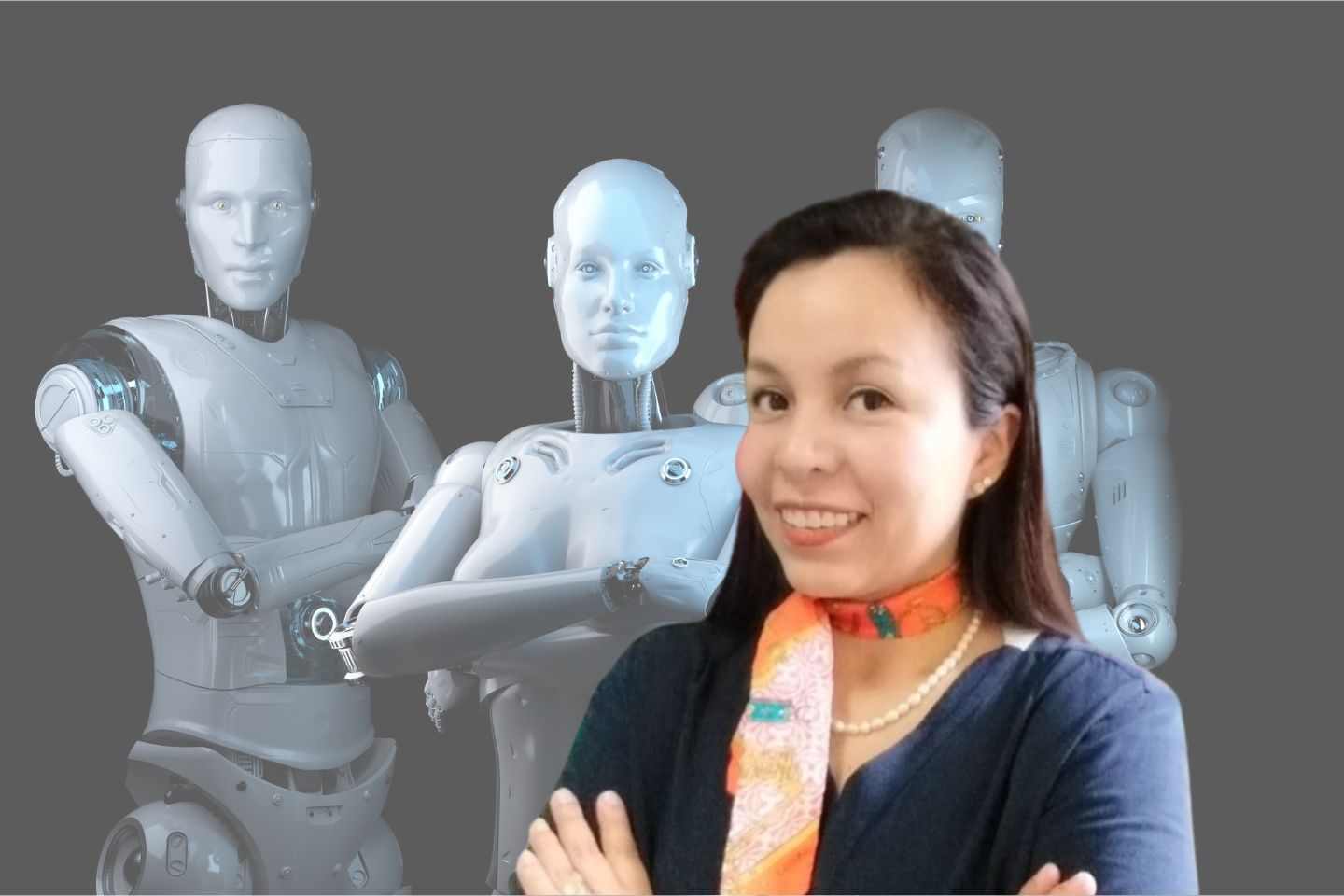
But buried at one of the dead o’clock side sessions, Luz Grande Vega of Zurich International gave a short presentation about how to use artificial intelligence that should have been the keynote.
Grande Vega’s perspective as a techie in the insurance industry should find its way to top-level strategy sessions about how to utilize this technology for the sustainability of the industry. She spoke about the future – the real future, not the techbro vision of dancing bots and shredding headcount, but of how to embed best practices in teams so that insurance companies remain durably competitive.
As the group’s chief sustainability officer and head of operational excellence for Asia-Pacific, Grande Vega is at the front line of a digital transformation sweeping across insurers: a transformation that, in her view, risks failure not from a lack of investment, but from a fundamental misunderstanding of what truly sustains competitive advantage in a world of artificial intelligence.
“In 2025, the insurance sector will pour an estimated $148 billion into digital transformation; double that by 2030,” Grande Vega said at her presentation, referencing recent industry forecasts. “But if over seventy percent of companies are struggling to scale these efforts, we’re not just spinning our wheels, we’re losing money. All because we’re focused on technology as the answer, instead of the people who need to drive it.”
Grande Vega’s stance is a departure from the usual script in boardrooms and tech-summits, where software demos and grand visions of machine-led efficiency dominate. She does not deny the transformational power of AI and automation, but insists the industry’s fixation on tools is blinding it to a more pressing problem: a profound skills and culture gap that threatens not only profitability, but also innovation and resiliency.
Upskill, not upgrade
The scale of the shift currently underway is daunting. Automation and AI could displace up to 85 million jobs by the end of 2025, according to global workforce studies, even as 97 million new, technology-driven roles become possible. Yes, that’s more jobs created than lost. But Grande Vega says those who lose their jobs to AI are unlikely to seamlessly pivot into the newly created positions, due to gaps in skills and mindset.
“Only about thirty-eight percent of organizations actually believe they have the digital skills they’ll need for the future,” she said. “Digital transformation is fundamentally a people challenge. If all we do is layer technology on top of this, and don’t prioritize upskilling and making people part of the journey then twice as many organizations will fail to capture full value. It’s about unlocking human potential, not just deploying more software.”
The result, she argues, is a looming talent mismatch that will force many companies to fire workers at one end, and then desperately rehire or retrain when they realize those layoffs have eroded core institutional know-how.
“Internal mobility is the most under-valued asset in insurance,” Grande Vega said. “You have to protect, not discard, the experience and insights of your people. Yes, some roles are redundant. But if you constantly chase cost cuts or the latest management fad without thinking long-term, you sacrifice the knowledge that actually differentiates you when things change.”
Covid and continuity
Grande Vega’s arguments are not hypothetical. She points to Zurich International’s own approach during the Covid-19 pandemic as a case study in “sustainable” business resilience.
While much of the industry embarked on widespread layoffs, Zurich preserved its workforce, consciously opting to protect its human assets. This strategy, she says, was not only humane, but also practical: when pandemic volatility upended traditional business models, Zurich was able to pivot quickly, relying on the institutional memory and adaptability of staff who were already familiar with the company’s systems and clients. (She did not provide quantifiable statistics to back the claim that Zurich outperformed its peers at this time.)
She clarifies that sustainable workforce planning does not mean clinging to outdated roles. ‘Upskilling’ is about enabling current employees to augment their capabilities and transition to higher-value work, and this requires an ongoing effort, which is not very sexy. Unlike ‘reskilling,’ which focuses mostly on moving employees into entirely new positions, upskilling is about helping workers remain adaptable and ready for an evolving flow of new technologies and processes.
“Technology is here to augment human potential, not replace it,” she says. “The goal is to make people agile enough to thrive with whatever comes next. That’s how you boost both profitability and customer experience in the long term.”
Citizen automation
One of the more radical elements of Grande Vega’s program is Zurich’s embrace of ‘citizen automation’, the idea that everyday employees, not just IT specialists or developers, should have the tools and autonomy to automate routine work and improve business processes.
The advent of genAI makes this a reality now, but harnessing employee initiatives in a firm-wide, coordinated manner is a challenge all organizations face.
Grande Vega says Zurich began allowing staff to create simple autmoations using low-code platforms in 2022. She says in Asia, by 2024, about 22 percent of all automation was being driven by non-IT people.
“These weren’t just small tasks; some were central to our compliance program or were scaled regionally after local success,” she said.
The approach, she argues, makes digital transformation less about expensive vendors and more about grassroots innovation. Employees can now use tools embedded in familiar Microsoft environments to automatically process emails or escalate requests, freeing up both themselves and overburdened IT teams for higher-value work.
Yet she is unequivocal about the need for carefully balanced governance. Sensitive databases need firewalls and clear permissions, while staff can be directed to reusable code libraries.
“We encourage experimentation, but with a safety net,” she said. “When you try to ban these home-grown solutions and wall it off, you create bigger problems, because people will simply circumvent the rules.”
Boardroom to bottom-up
Grande Vega believes that sustainable, AI-driven transformation cannot simply be decreed from the top. “Leadership has to own the digital agenda, but they also need to listen, be aware of the latest capabilities, and avoid kneejerk decisions just because a vendor pitches something new,” she says. She points to frequent lapses in technical and strategic awareness at the executive level, even as new AI features come online every quarter.
For Grande Vega, flattening the hierarchy of innovation is essential. Managers must empower teams across operations, digital, and IT to collaborate on solutions that embed change management as a cultural norm, rather than a short-lived program. “You want transformation to become a permanent capability, where everyone is involved and change is always ongoing, not just a flavor of the month.”
To DigFin, this sounds a lot more like what fintechs are doing. These smaller, nimbler companies are at the forefront of making AI a requirement for all staff. These fintechs also tend towards short-term outcomes, ie, cutting headcount, but a few are focused on growing everyone’s productivity. It’s easier for a company with fewer people, simpler businesses, and a newer tech stack. But this shows the way that ‘digital transformation’ – which has always been about corporate culture more than tech – has to point.
Sustainable strategies
What, then, is the path forward for legacy insurers and insurtech disruptors alike? Grande Vega’s answer is simple, if not always easy: Insurers must “rethink their people strategy” to make true digital transformation sustainable. That means prioritizing workforce investment – upskilling and empowering existing teams – alongside technological modernization.
“Digital transformation only pays off when people drive it. If you get that right, you get double the RoI [return on investment] from your technology,” she said. And as job displacement and new roles reshape the labor market, companies that foster adaptability and internal mobility will avoid the costs and disruption of over-firing and reactive hiring.
There are signs that the industry is beginning to heed this advice. Competitors like Bupa, HSBC, AIA, and FWD are all experimenting with similar empowerment models and automation strategies.
Still, Grande Vega cautions, there is a tendency for leaders to be seduced by buzzwords and under-estimate the cultural work involved. Instead they should be learning from other industries, other regions, and working to protect their knowhow and institutional memory.
And all personnel need to be accountable for change: “You have to make people active participants in the journey, not just passive recipients of the latest platform. That’s what will make the difference between transformation that lasts, and transformation that is quickly forgotten.”